Glendora Commercial Electrician: Managing Voltage Drops in Historic & Older Buildings
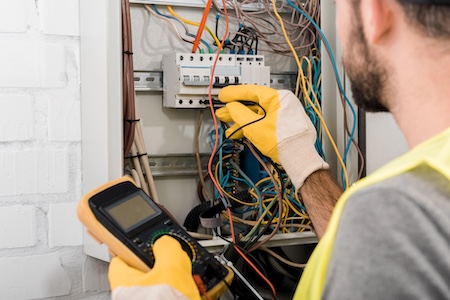
Older storefronts in Glendora are full of character, but many struggle with modern electrical loads. As a leading commercial electrician, San Dimas Electric is called to Foothill Boulevard and the Glendora Village to trace flickering lights, sluggish compressors, and equipment resets that point to voltage drop. This post walks through how we diagnose and fix these issues while aligning work with local building standards.
Why Older Glendora Buildings See Voltage Drop
Many mid-century retail bays along Foothill Boulevard and Downtown Glendora were built for lighter loads. Today’s HVAC, POS systems, LED drivers, refrigeration, and espresso machines draw more current and create non-linear loads. Long branch circuits, shared neutrals, aging terminations, and undersized feeders can all stack up to produce lower voltage under load.
Heat in the San Gabriel foothills makes it worse. Warm summers push conductors and connections, so a weak spot that seems fine in spring can show up as dimming lights in July when rooftop units start.
Our First-Hand Diagnostic Walkthrough On Foothill Blvd And In Downtown
Every site is different, but our process follows a proven path that keeps your business open and safe. We document conditions, test under real load, and only recommend changes that move the needle. Here’s how a typical retail electrical inspection in Glendora unfolds.
Safety, Interviews, And Load Snapshot
We start with a brief interview. When do the lights dip? Which circuits serve coolers, bar equipment, or registers? We log the time of day and season because demand patterns matter. Then we create a load snapshot using a true-RMS meter and data logger while your normal equipment runs. This reveals sags during compressor starts or brew cycles that a quick spot-check would miss.
- Capture voltage at the service, main panel, and farthest receptacle under load
- Record current on each phase and neutral to flag imbalances
- Note inrush events from HVAC, refrigeration, or kitchen equipment
Panel And Subpanel Checks With Thermal Imaging
Next we open accessible commercial subpanels and scan with a thermal camera. We look for heat at lugs, breakers, neutrals, and bus stabs that hints at loose terminations or overloaded paths. Thermal hotspots often point to loose or corroded terminations that steal voltage and shorten equipment life. We verify labeling, torque where required by manufacturer instructions, and inspect bonding and grounding conductors for continuity and condition.
Multi‑Wire Branch Circuits And Load Imbalances
Many mid-century tenant improvements used multi-wire branch circuits to save conduit space. We verify that handle-tied breakers land on opposite phases so the shared neutral carries only the imbalance. Then we clamp the neutral and both hots to measure imbalance during peak use. Excess neutral current or heat at the neutral bar is a red flag for misphased or overloaded multi-wire branch circuits. We also check that neutrals are isolated in subpanels and that no double-lugging is present.
Conductors, Feeder Paths, And Splices
From there we trace the feeder path. We compare conductor size to the run length and note any mid-run splices or old mechanical lugs inside junction boxes. We inspect set-screw fittings on EMT, look for oxidized aluminum terminations if present, and test voltage drop at the farthest point. Long runs to rear stock rooms or rooftop units are common along Foothill Boulevard, so we pay special attention to these.
What The Readings Tell Us
We compare voltage at the panel to the farthest device while equipment cycles. If we see repeated dips that line up with compressor starts, we know inrush is exposing weak conductors or terminations. If lighting on one phase dims while another stays steady, the issue could be a phase imbalance or a stressed multi-wire branch circuit. Harmonic content from LED drivers and point-of-sale supplies can also load the neutral even when the two hot legs seem balanced.
We also watch for nuisance resets on card readers, network gear, or espresso machines. Sensitive electronics often feel voltage drop before you do. Do not ignore equipment that restarts or screens that flicker during busy hours, because those are early signs of power quality trouble.
Commercial Voltage Drop Solutions That Work In Glendora
Once we know where the drop occurs, we design fixes that fit your building and business hours. We can phase work to minimize downtime and coordinate with local inspections where required. Our goal is to stabilize voltage, lower heat in panels, and protect your revenue during rush periods.
- Re-terminate and properly torque lugs and breakers where accessible and permitted by manufacturer instructions
- Balance three-phase loads across phases to reduce sag on a single leg
- Add dedicated circuits for POS, refrigeration, or espresso to remove sensitive gear from shared runs
- Upsize conductors or install a nearby subpanel to shorten long branch circuits
- Install surge protection and consider K-rated equipment where non-linear loads are heavy
- Correct multi-wire branch circuit phasing and repair neutral issues
Along the Foothill Boulevard corridor, we often combine re-termination with targeted conductor upgrades. For “deep” stores where the kitchen or cooler sits far from the panel, a new subpanel near the load can be the cleanest fix. When we perform commercial panel diagnostics on Foothill Blvd, we also evaluate whether separating sensitive electronics from motor circuits reduces dips during start-up.
Code And Local Compliance For Glendora Businesses
Your project must follow the applicable electrical code as adopted locally, plus any city-specific processes. In Glendora, commercial electrical work typically involves permits and inspections for items like new feeders, panel changes, or added circuits. We coordinate with the building department, document our work, and schedule inspections so you are not stuck managing paperwork. When lighting or controls are part of the upgrade, we align with prevailing state efficiency requirements as applicable.
Because every site is unique, details vary by scope and building conditions. We discuss the path before work begins and keep you informed at each step.
Real-World Example: Downtown Glendora Retail Bay
A small café in the Village reported dim lights and card reader resets during the afternoon rush. Our logging showed healthy voltage at the main but a noticeable dip at front-of-house receptacles when refrigeration and the grinder started at the same time. The branch circuit served too many devices and shared a neutral with another run that was out of balance.
We corrected the multi-wire branch circuit phasing, installed a dedicated circuit for the POS and network gear, and tightened terminations after verifying torque specs. Thermal imaging after the changes confirmed cooler connections and stable readings under peak load.
Planning Your Project Without Surprises
We begin with a site walk and testing plan so you know what we will measure and why. If upgrades are recommended, we stage work around your business hours to protect sales. You can also review our full service list any time on our full list of services to understand how complementary improvements, like lighting controls or surge protection, might help long term.
Want to learn more about what our team watches for during testing? Browse our recent electrical tips where we break down common power quality terms in plain language.
How San Dimas Electric Tests For Voltage Drop
During a retail electrical inspection in Glendora, our crew uses calibrated instruments to capture conditions under real load. We do not rely on idle readings. We document what happens during your peak and provide a simple report that ties test results to practical fixes, so owners and managers can make fast decisions.
If you prefer a single point of contact, our project lead coordinates scheduling, inspections, and close-out documentation. That way you get updates without chasing vendors.
When To Call A Pro In Glendora
If lights dim when compressors kick on, if registers or routers reboot, or if you hear crackling near panels, it is time to act. Early action keeps equipment safe and protects your guest experience. For steady help from a commercial electrician Glendora, CA team, reach out to San Dimas Electric for testing and a clear plan.
Ready to move from symptoms to solutions? Our commercial electrician services include data logging, thermal imaging inside commercial subpanels, and corrections that reduce downtime.
Let’s Stabilize Your Power And Protect Your Rush Hours
Whether you manage a boutique on Foothill Boulevard or a café in Downtown Glendora, we can pinpoint the cause of voltage drop and deliver fixes that last. Contact San Dimas Electric at 909-592-2191 to schedule diagnostics, or connect with our team through the commercial electrician page to get started today. Always have a qualified commercial electrician perform diagnostics before equipment failure forces a shutdown.