Electric Vehicle Charger Installation in San Dimas: Getting Your Garage Ready for a Level 2 Home Station
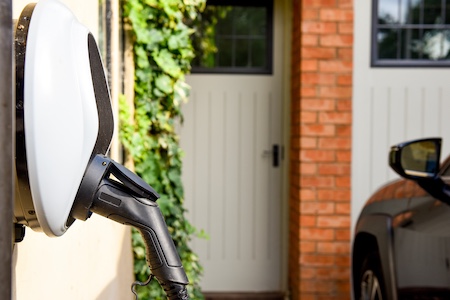
Looking to make charging at home simple and fast? A Level 2 station is the sweet spot for most drivers in San Dimas. This guide explains permits in the 91773 zip code, what a dedicated 240V circuit really means, and how to tell if your panel is ready. If you want a head start, explore professional ev charger installation in San Dimas with San Dimas Electric.
Why Level 2 Home Charging Needs a Dedicated 240V Circuit
Level 2 charging uses a 208/240‑volt circuit and runs for long, steady sessions. That makes it a continuous load in the eyes of the electrical code. A dedicated circuit keeps the charger separate from other appliances so your breaker doesn’t nuisance‑trip and your wiring stays within safe temperature limits.
Most Level 2 chargers are designed for a specific breaker size and wire gauge. Your electrician sizes the circuit to the charger and accounts for continuous load at 125 percent. The result is a cleaner install, less voltage drop, and better reliability through summer heat, Santa Ana winds, and the on‑off grid moments we see around San Dimas.
Key homeowner tip: match the circuit to the charger’s nameplate, not the other way around. Oversizing a breaker without matching wire and equipment ratings is unsafe.
How to Tell If Your Electrical Panel Can Handle a Charger in San Dimas
The right way to decide is a load calculation. Your electrician looks at your home’s square footage, fixed appliances, HVAC, electric cooking or dryers, and then adds the EV charger as a continuous load. This math shows whether your existing service can support the added demand or if you would benefit from a panel upgrade or load management device.
- Homes near Via Verde and the foothills often have additions that quietly pushed panels close to their limits.
- Townhomes closer to Downtown San Dimas may have compact panels with fewer open spaces.
- If lights dim when big appliances start, or breakers trip when the dryer and microwave run together, that is a sign to evaluate capacity before adding a charger.
Want a plain‑English overview of upgrade needs before you decide? Skim our local explainer on electrical panel upgrades for San Dimas homeowners and then have a licensed pro confirm with a formal load calculation.
Do not guess on panel room. A 10‑minute visual check can miss hidden loads or future plans like a heat pump or induction range.
NEMA 14‑50 vs Hardwired Level 2: Which Fits Your Garage
Many EV owners start by asking for a NEMA 14‑50 outlet. Others prefer a hardwired wall charger. Both can be safe and code‑compliant when installed by a licensed electrician for a Tesla charger or any other brand in California. The right choice depends on space, charging speed, and how tidy you want the setup to look.
- NEMA 14‑50 outlet: flexible, works with many portable Level 2 cords, simple to replace if needed.
- Hardwired charger: cleaner look, dedicated whip with no plug wear, often the manufacturer’s preferred method for higher amperage units.
Local best practice: keep cable management in mind. A neat mount and cord path reduce trip hazards and wear, especially in garages that double as workspaces.
Permits and Inspections in 91773: What Homeowners Should Expect
In the City of San Dimas, most residential EV charger projects go through a straightforward permit and inspection process focused on health and safety. Submittals typically include a simple site plan showing your main panel and charger location, a single‑line diagram, equipment specifications, and an electrical load calculation. Final inspection confirms correct breaker sizing, labeling, working GFCI protection where required, and proper mounting height.
California also encourages cities to streamline EV charger permitting. Timelines and fees vary by project size, but the process is designed to move quickly when plans are complete and code‑compliant. Requirements can change, so your electrician will confirm the latest submittal checklist with San Dimas Building & Safety before work begins.
Safety reminder: most utilities and insurers expect permitted, inspected work. That protects your home, your vehicle, and your warranty.
Local shortcut: placing the charger on a side wall, out of the car’s driving path, can avoid the need for bollards or other vehicle‑impact protection. If conduit runs outside, San Dimas allows it to be painted to match the surface for a cleaner look. Ask your electrician to plan the route with both safety and curb appeal in mind.
Where the Level 2 Circuit Should Run in a San Dimas Garage
Older homes off Bonita Avenue sometimes have the main panel on an exterior wall. That can shorten the wiring run and reduce patch work. Newer builds near Via Verde might put the panel farther from the ideal parking spot, which means planning a longer route and neat transitions through drywall or finished space. Your installer will choose copper or aluminum conductors sized for the load, the length of run, and temperature ratings, all matched to the charger’s listing.
If your garage also powers a freezer, tools, or gym equipment, your electrician will verify outlet spacing, GFCI coverage, and labeling so you do not overload a shared branch circuit. The charger itself gets its own dedicated breaker.
How We Evaluate Your Home for a Level 2 Station
With San Dimas Electric, a licensed Electrician walks your panel, measures the route to your parking spot, and confirms ventilation and clearances. We discuss your driving routine, time‑of‑use rate plans, and whether smart charging features matter to you. Then we recommend a charger and circuit that match your goals without overshooting your home’s capacity.
During installation, we mount the charger or NEMA 14‑50 receptacle, pull a dedicated 240V circuit, label the breaker, and test charging under load. We also verify Wi‑Fi setup if your charger offers an app. If we spot signs that your panel is at its limit, we will outline options such as a subpanel, service upgrade, or a compliant load‑sharing device. When you are ready to move forward, our team handles permit coordination and meets the inspector so you do not have to.
Rebates, Rates, and Smart Scheduling for San Dimas Drivers
Utility and state incentives change over time. Some programs offer credits for Level 2 equipment, make‑ready upgrades, or time‑of‑use participation. Search for current “San Dimas residential EV charging rebate” details with your utility and the State of California’s clean transportation portals before you purchase a charger.
Most local drivers charge overnight. Off‑peak rates can reduce costs, and many chargers let you schedule sessions so you always wake to a full battery. If you commute to Claremont or West Covina, a steady overnight setup usually beats waiting at public stations and helps your battery manage heat during summer highs.
To keep everything organized, you can bookmark our EV charger installation in San Dimas, CA overview on the home page for quick reference and to share with family members.
Do You Need a Panel Upgrade Before Installing a Charger?
Not always. Many homes can support a 32–40 amp Level 2 charger without a full service change when the load calculation shows enough headroom. If the math is tight, your electrician may recommend rebalancing circuits, installing a subpanel, or planning a future‑ready upgrade so you can add other electric appliances later with confidence.
If you are already noticing warm breakers, frequent trips, or an older panel model that has a known history of problems, address that first. A modern, well‑labeled panel makes everything else easier and safer. For next steps, see our service page for panel upgrades and then coordinate charger placement as part of the same visit.
Choosing the Right Electrician for Your Tesla or Any EV
You want a licensed electrician for a Tesla charger installation in California who follows manufacturer specifications and local code. That includes proper conductor sizing, secure terminations, and torque checks, plus clear labeling for emergency responders. It also means using listed equipment and matching the breaker and wire to the nameplate rating of your charger or NEMA 14‑50 receptacle.
San Dimas Electric has helped homeowners across San Dimas, Glendora, and Covina set up reliable Level 2 charging without surprises. Our team keeps the process simple: evaluate capacity, design a clean route, pull the permit, and pass inspection the first time.
Ready to Make Charging at Home Easy?
Your first step is a site visit. We will confirm panel capacity, map the best location, and give you a clear plan that fits your home. If you are ready to move forward, read more about our approach to ev charger installation and call us at 909-592-2191 to book a visit. With a dedicated 240V circuit, the right equipment, and a permitted, inspected installation, you get fast, reliable charging that feels as smooth as tapping “start” on your phone.