California Title 24 Lighting Compliance: What Homeowners Need to Know for Recessed LED Retrofits
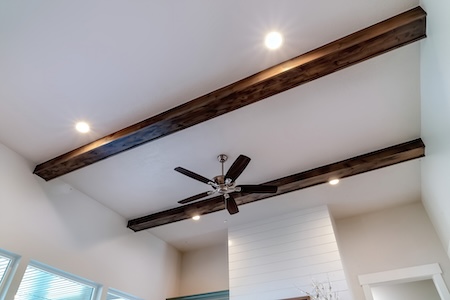
If you are planning a recessed lighting retrofit in San Dimas, CA, California’s Title 24, Part 6 energy code sets the rules for what goes into your ceilings. The short version: choose JA8 high-efficacy luminaires, use the right lighting controls, and make sure fixtures are airtight and insulation-safe. Our recessed lighting retrofit service is designed to meet these requirements while delivering clean, even light throughout your home.
For homeowners comparing contractors, it helps to understand the basics. Title 24 affects light quality, controls, and even the type of housing that can touch your attic insulation. When in doubt, check with your local authority having jurisdiction and lean on a licensed electrical contractor who works in San Dimas every day.
To learn more about our team and our work with recessed lighting, explore our site or contact San Dimas Electric at 909-592-2191.
What Title 24 Means for Recessed LED Retrofits in San Dimas
California Title 24, Part 6 focuses on saving energy without sacrificing comfort. For recessed lighting, that means high-efficacy LED fixtures that meet JA8 performance testing, appropriate control devices, and sealed housings when the ceiling separates conditioned space from the attic. In San Dimas, where summer heat can push attic temperatures high, choosing compliant fixtures also helps keep cooled air inside and hot, dusty air out.
Homes near Via Verde, the Foothill corridor, and older streets off Bonita Avenue often have mixed lighting from past renovations. During a retrofit, we standardize on JA8 and confirm control zones so your bathroom, garage, and laundry areas meet the manual-on vacancy control intent while living areas dim smoothly.
JA8 High-Efficacy Certification Explained
JA8 is California’s residential lighting qualification for efficacy, color quality, dimming, and longevity. Look for one of these on the lamp, trim, or spec sheet: “JA8,” “JA8-20XX,” or similar language indicating the product passed the current test cycle. A JA8 label means the light meets strict flicker and color standards and typically dims more predictably with compatible controls.
For recessed retrofits, you will see JA8 on integrated LED modules and canless wafer fixtures. We prioritize modules with a high color rendering index (CRI 90+) and selectable color temperature so rooms feel balanced from morning to night.
Vacancy Sensor Controls Where They Matter
Title 24 requires efficient controls in rooms where lights are often left on. In most homes, this includes bathrooms, garages, laundry rooms, and utility rooms. A vacancy sensor is manual-on and auto-off after the room is empty, which reduces false-ons and saves energy compared to always-on switches.
- Bathrooms: manual-on vacancy sensors help prevent nuisance activation at night.
- Garages and utility spaces: vacancy sensors reduce wasted runtime after you drive away.
- Laundry rooms: auto-off keeps energy use down between loads.
We program time-outs to match how you use the space and verify sensor placement so it “sees” activity but not hallway traffic. A poorly placed sensor can cause flicker-like behavior or random shutoffs, so positioning and sensitivity matter.
Airtight, IC-Rated, and Remodel Cans
Where a ceiling meets an unconditioned attic, fixtures should be insulation-contact (IC) rated and airtight to limit leakage. IC means the housing can touch insulation safely. Airtight housings or canless wafers with gaskets help seal the envelope and reduce drafts and dust. We also seal legacy penetrations from old trims and oversize cutouts to maintain the air barrier.
In many San Dimas attics with blown-in cellulose or fiberglass batts, the airtight requirement does more than save energy. It helps with indoor air quality during windy Santa Ana conditions by limiting attic air pathways back into the home.
Our No‑Mess Retrofit Process for Insulated Attics
Older homes often have non-IC, leaky metal cans. Replacing them without disturbing loose-fill insulation takes planning. Here is how our licensed electricians approach it without turning your attic into a snow globe inside the living room:
We start from below, protect the room, and isolate power at the panel. The old trim and lamp come out, then the existing can is carefully released from its mounting. Where access is tight, we convert to a sealed, IC-rated canless wafer with a slim junction box. The connection is made within a listed junction box that remains accessible from below after trim removal. We use round conversion plates to cover old paint lines and micro-gaps, then add a perimeter air seal at the ceiling plane. This method avoids raking or removing your attic insulation while delivering a safer, tighter result.
When a full can replacement is the better option, we install a new ICAT (IC and airtight) remodel housing rated for contact with insulation and tested for leakage. We verify thermal clearances where required and photograph the work for your records.
Dimming Without Flicker: ELV vs. TRIAC
Nothing ruins new lighting faster than buzzing or shimmer. Title 24 does not pick your dimmer, but the wrong one can cause problems. Here is a simple way to think about dimmers and drivers in recessed LED retrofits:
- TRIAC (forward-phase) and CL-labeled dimmers: common, affordable, and work with many retrofit LED modules. Performance depends on the LED driver design.
- ELV (reverse-phase): smoother low-end dimming on many modern LED drivers and often quieter. Requires a neutral in some models and compatible fixtures.
- 0–10V: more common in commercial; not typical for residential recessed retrofits unless a specialty driver is used.
Match the dimmer to the exact LED model. We use manufacturer-tested dimmer lists and confirm stable dimming below 10 percent light output. If a space echoes, like in high-ceiling rooms near the foothills, an ELV solution can reduce audible hum. We also separate lighting loads by room size and ceiling material so the dimmer’s minimum level does not cause drop-out on a long run.
Color Temperature, CRI, and Trim Choices That Fit Your Home
Most families in San Dimas prefer warm-white (2700K–3000K) in bedrooms and living rooms and a neutral-white (3000K–3500K) in kitchens and laundry areas. JA8 products with CRI 90+ keep colors true so painted cabinets and natural stone along Gladstone Street or Arrow Highway look the way you expect. We can standardize your home on a selectable CCT family, so replacements always match, and every room feels cohesive.
Trim style matters too. Low-glare baffles reduce brightness in media rooms, while smooth trims look crisp in modern kitchens. Wet-rated trims belong over showers and outdoor soffits.
Common Pitfalls We Fix in Older Homes
Retrofits are not just swap-and-go. We routinely see:
Mixed lamp types in the same room causing uneven dimming. Non-IC cans buried in insulation from later attic upgrades. Open gaps around trims that leak air and dust. Switch legs without neutrals limiting smart or ELV dimmer choices. Our team identifies these issues during the walk-through and proposes a compliant, future-proof plan.
Need ideas on layout, spacing, and controls? Browse our electrical services to see how lighting ties in with switching, smart controls, and panel capacity, then circle back to our dedicated recessed lighting service for design and installation details.
How We Protect Your Home During the Retrofit
Every project starts with surface protection and dust control. Ceiling cutouts are kept tight, and we maintain a clean work area so your furniture and floors stay spotless. We label circuits, torque-test connections, and document the JA8 model numbers and control types used. At the end, we walk the home with you, demonstrate dimming ranges, and set vacancy sensor delays to your preference.
Because Title 24 updates over time, we align your installation with current enforcement practices and provide product documentation for your records. If your project involves a larger remodel, we coordinate with your general contractor to keep electrical work on schedule.
Why Work With San Dimas Electric in San Dimas, CA
As your local electrical contractor, we balance compliance with comfort. That means light that looks great, switches that act the way you expect, and fixtures that are safe around attic insulation. We specify JA8-certified modules, confirm airtight and IC ratings where needed, and select ELV or TRIAC dimmers that match the exact driver inside your chosen fixtures.
Our team knows the housing stock from the Via Verde hillsides to neighborhoods near Lone Hill Avenue. We plan installs around heat waves and seasonal winds, and we treat your home like it is our own. If you are comparing bids, ask whether the fixtures are JA8-listed, if the housings are IC and airtight where required, and whether a compatible dimmer is included. The right answers protect your investment.
Ready to Upgrade? Schedule Your Compliant Retrofit
Let’s design a clean, comfortable lighting plan that meets California Title 24 and fits your style. Reach San Dimas Electric at 909-592-2191, or explore our JA8-compliant recessed lighting options to get started. If you want to review other categories first, the full list is on our services page.
Join The Thousands Who Trust Us For Their Electrical Needs. Contact Our San Dimas Electrician Today!